Access issues for attic and basement cleaning in Islington: what to expect and how to plan properly
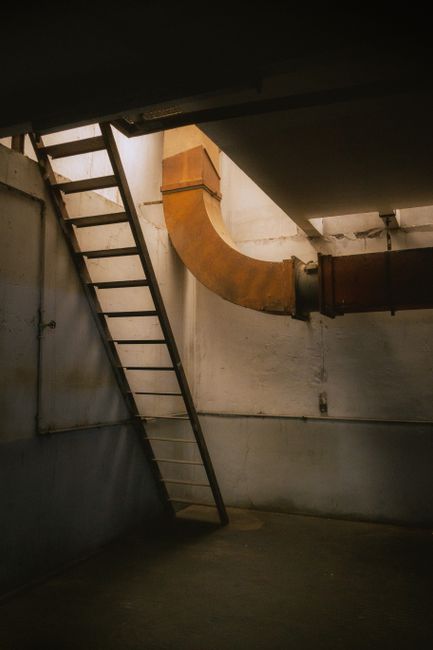
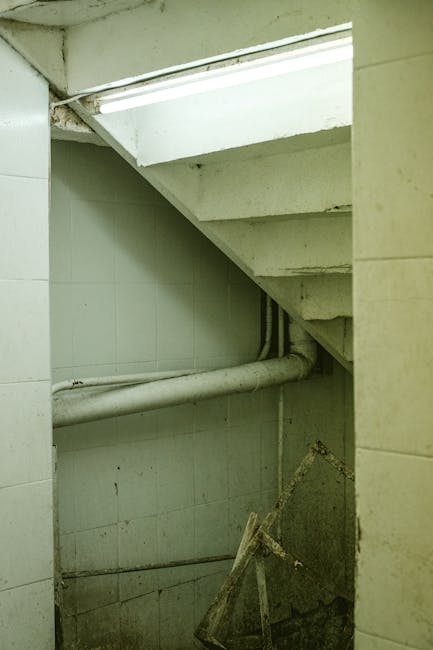
Access issues for attic and basement cleaning in Islington can turn a straightforward job into a bit of a puzzle. Narrow staircases, low ceilings, shared entrances, awkward parking, and older London properties all change how a cleaning team works. If you are dealing with a dusty loft space, a cluttered basement, or a storage area that has not been touched in years, the real challenge is often not the cleaning itself. It is getting safely to the space and back out again without damage, delays, or unnecessary stress.
This guide explains the practical side of access planning in plain English. You will learn what makes these spaces tricky in Islington, how a professional team typically approaches the job, what to prepare in advance, and which mistakes can slow everything down. Truth be told, a little planning saves a lot of faff later.
Table of Contents
- Why access issues for attic and basement cleaning in Islington matters
- How attic and basement access planning works
- Key benefits and practical advantages
- Who this is for and when it makes sense
- Step-by-step guidance
- Expert tips for better results
- Common mistakes to avoid
- Tools, resources and recommendations
- Law, compliance, standards and best practice
- Options, methods and comparison table
- Case study or real-world example
- Practical checklist
- Conclusion
- Frequently asked questions
Why access issues for attic and basement cleaning in Islington matters
In many Islington homes, the challenge is not whether a room needs cleaning, but how that room can be reached safely and efficiently. Older terraces, converted flats, split-level properties, and period buildings often have awkward routes to the top floor, the loft hatch, the lower ground level, or the cellar steps. A cleaning job that looks simple on paper can become time-consuming if the access route is tight, dark, or partially obstructed.
This matters for a few very practical reasons. First, access affects safety. Carrying equipment through cramped stairwells or down steep basement steps increases the chance of slips, knocks, and damaged surfaces. Second, access affects the quality of the clean. If a team cannot bring the right tools in and out properly, the result may be less thorough than it should be. Third, access affects cost and timing. A job that needs more setup, more care, or more labour is naturally different from a standard room clean.
There is also the simple fact that many lofts and basements are not used every day. Dust, cobwebs, damp marks, insulation debris, old boxes, or signs of previous leaks can make the space more awkward to work in. One small detail like a broken bulb or a sticky latch can slow everything down. It sounds minor, but it matters.
Practical takeaway: the cleaner the access plan, the smoother the clean. A good route in and out often matters more than people expect.
If you are already comparing cleaning options, it can help to look at a company's wider approach to professionalism and service standards. Pages such as about us, health and safety policy, and insurance and safety can give you a sense of how carefully a provider works before anyone even steps into a loft hatch or cellar.
How access issues for attic and basement cleaning in Islington works
Access planning usually starts before the team arrives. A proper assessment asks a few simple questions: Where is the entrance? How wide are the stairs? Is there enough headroom? Can equipment be carried safely? Is there parking nearby? Are there any shared hallways, locked doors, or time restrictions in the building?
For attic cleaning, the key concerns are often height, hatch size, insulation, and safe footing. Some attics have narrow pull-down ladders, while others have permanent stairs that still feel tight when carrying vacuum equipment or dust sheets. Low beams and awkward joists can make movement slow. If the attic is only partly boarded, extra care is needed so nobody steps through a weak area. Not glamorous, but very real.
For basement cleaning, the issues are different. Basement steps can be steep, curved, narrow, or damp. There may be reduced ventilation, lower light levels, and more dust build-up in corners. If the basement has been used for storage, the first task is often simply making a safe working space by clearing enough room to move. In some properties, the route down is through a kitchen, utility room, or shared entrance, so protecting floors and walls becomes part of the job.
A professional cleaner will normally adapt the method rather than forcing a one-size-fits-all routine. That might mean breaking the work into stages, using smaller equipment, carrying items in protected loads, or cleaning from the furthest point back toward the exit. This reduces the chance of dragging dirt through the property. It also keeps the workflow calmer. Less rushing, fewer surprises.
For general domestic support, some homeowners pair these jobs with deep cleaning or broader domestic cleaning so the whole home is handled in one visit. That can be especially handy if the attic or basement is part of a larger decluttering or spring-cleaning plan.
Key benefits and practical advantages
Dealing with access properly is not just about avoiding problems. It actually improves the whole outcome.
- Safer working conditions: fewer trip hazards, better handling of equipment, and less strain on anyone moving through tight spaces.
- Cleaner results: a well-planned route means equipment can get where it needs to go, which usually leads to a more complete clean.
- Less disruption: if the cleaner knows the access pattern in advance, the job tends to be quicker and quieter.
- Reduced property damage risk: protected corners, floors, and stair rails help prevent scuffs and knocks.
- Better budgeting: realistic access information helps set expectations honestly, which is far better than a guess.
- More confidence for the client: you know the team has considered the real-world quirks of your home, not just the floor plan.
There is another quiet benefit, too. Once access is organised, the room feels less intimidating. A basement full of old boxes or a loft that has been ignored for years can feel like a job you keep putting off. Getting the access sorted turns it from a vague headache into something manageable.
That is often the difference between "we should do it someday" and "right, let's get this done."
Who this is for and when it makes sense
This topic is relevant to a fairly wide group of people in Islington. If you own a period property with a tucked-away attic, if you rent a flat with a basement storage area, or if you manage a building with awkward shared access, the planning issues are similar even if the spaces look different.
It makes particular sense for:
- homeowners preparing for renovation, moving, or decluttering
- landlords dealing with end-of-tenancy clean-up in lower ground or loft storage areas
- tenants who need to return a property in tidy condition
- families sorting long-neglected storage spaces
- small businesses with basement stock rooms or attic archives
- property managers overseeing older buildings with awkward entrances
It also makes sense if the space has seen water ingress, builder dust, or years of clutter. For example, a basement used for storage after a damp issue needs a different approach from an attic that mostly holds boxes and old suitcases. One is about careful cleaning and dust removal; the other may require a little more preparation, ventilation, and protective handling.
If the property has recently had work done, it may be worth considering after builders cleaning as part of the wider plan. Builder dust travels everywhere, honestly. It gets into corners you would never think to check.
Step-by-step guidance
Here is a practical way to approach attic or basement cleaning when access is not straightforward.
- Check the route first. Walk from the front door to the attic or basement entrance and notice anything awkward: tight turns, low ceilings, steep steps, fragile flooring, or shared areas.
- Measure the opening. A hatch, doorway, or stairwell may seem large enough until equipment needs to pass through. Even a simple vacuum or stepladder can become a nuisance if the route is tight.
- Remove obvious obstacles. Shift coats, shoes, boxes, bins, fragile ornaments, and anything else that blocks the path.
- Flag hazards early. Tell the cleaning team about loose steps, low beams, poor lighting, damp patches, or areas that should not be walked on.
- Protect high-contact surfaces. Use covers, dust sheets, or corner guards where needed, especially on narrow stairs and painted walls.
- Decide the cleaning order. Start with the highest or furthest point and work back toward the exit. That usually keeps dirt under control.
- Allow for ventilation. Open windows if possible and safe, especially in basements where stale air or lingering damp can make the room feel heavy.
- Use the right equipment. Compact vacuums, extendable tools, microfiber cloths, and sturdy torches make a real difference in tight spaces.
- Do a final check. Once the room is cleaned, inspect the route back through the property for any debris, moisture, or moved items that need putting right.
That may sound like a lot, but in practice it keeps things calm. And calm is underrated. A job with poor access gets stressful fast if nobody has a plan.
Expert tips for better results
A few small habits make attic and basement cleaning far easier. These are the sort of details people only notice after doing the work a few times.
- Photograph the access route beforehand. It helps both you and the cleaning team understand what is involved before the visit.
- Test lights and bulbs. A dark basement staircase is no one's idea of efficient working conditions.
- Keep one hand free on stairs. It sounds obvious, but carrying too much at once is where trouble starts.
- Use smaller containers. Smaller loads are easier to move through narrow spaces than one overfilled box.
- Check for damp smell or mould signs. If you notice a musty smell, mention it. It can affect how the room should be ventilated and cleaned.
- Protect breathing comfort. Dusty attic spaces can kick up a surprising amount of fine debris, especially if insulation has been disturbed.
- Work in sections. Trying to clean every corner at once in a cramped space is a quick route to fatigue.
One more thing. Do not underestimate the value of timing. Early daylight is often better for awkward access jobs because you can see more, notice hazards sooner, and avoid rushing. Evening jobs can be fine too, but a few extra minutes of daylight really helps. It just does.
When you are booking help, it is sensible to ask how the provider handles difficult access and whether their cleaning company approach includes protected movement through the property. If you need a broader team, you may also want to look at cleaners or home cleaners who are used to working in older London homes.
Common mistakes to avoid
Most access problems are avoidable. The trouble is, they are easy to miss until the day of the clean.
- Not describing the access properly. Saying "the basement is fine" does not help if the stairs are steep, the doorway is tight, and the ceiling is low.
- Leaving clutter in the way. Even small piles of boxes can create a bottleneck.
- Ignoring parking or loading needs. In Islington, access outside the building can be just as important as access inside.
- Assuming all attics are sturdy. They are not. Some are partially boarded, some are not, and some have areas that should be avoided.
- Forgetting shared-building rules. Communal hallways and entrance routes may need extra care so neighbours are not inconvenienced.
- Choosing the cheapest option without checking the access process. A low price can be attractive, but if the team has not planned for difficult access, the job may become messy or slow.
There is also a quieter mistake: underestimating your own time. If you are preparing the property yourself, give yourself more time than you think you need. You will probably need it. Especially if a box of old stuff turns into an unexpected memory lane situation.
Tools, resources and recommendations
You do not need specialist industrial gear for every attic or basement clean, but the right basics help enormously. In a typical domestic setting, the most useful items are often the simplest ones.
- compact vacuum cleaner with attachments
- microfiber cloths and dusters
- sturdy gloves
- dust sheets or floor protection
- torch or portable light
- small step ladder if safe and appropriate
- bags or containers for sorting clutter
- disinfectant or suitable general cleaner for hard surfaces
For households dealing with more than one cleaning problem at once, it may help to combine the job with related services such as one-off cleaning for a single intensive visit, house cleaning for a broader reset, or house clearance if there is a serious amount of unwanted storage to remove first.
If the basement has hard flooring, then a service like hard floor cleaning may be relevant after the space has been cleared. Likewise, loft-adjacent areas that feed into a bedroom or landing may benefit from carpet cleaning or even a general cleaner visit if dust has spread further than expected.
Law, compliance, standards and best practice
For domestic cleaning jobs, there usually is not a complicated legal framework specific to attic or basement cleaning, but there are still important standards of care. The main expectation is simple: work safely, avoid damage, and do not create risks for residents, neighbours, or workers.
Good practice normally includes safe manual handling, sensible use of ladders or steps, proper ventilation where possible, and clear communication about hazards. In the UK, professional cleaning providers are generally expected to work in line with basic health and safety duties, use appropriate insurance, and take reasonable steps to protect people and property. That may sound formal, but in everyday terms it just means doing the job properly and not cutting corners.
For older Islington buildings, shared hallways and communal spaces deserve special care. If access involves neighbours or communal routes, the cleaner should avoid blocking fire exits, leaving debris behind, or dragging dirty equipment through shared areas. Simple courtesy matters here, and it is not just about manners. It helps keep the whole process smooth.
If you are checking a provider's standards, useful pages to review include terms and conditions, payment and security, and the company's accessibility statement. These do not replace a proper conversation about your property, of course, but they can give you extra reassurance about how the business operates.
Options, methods, and comparison table
There is more than one way to handle a difficult-access clean. The best choice depends on what the space is used for, how cluttered it is, and how awkward the route feels.
| Method | Best for | Pros | Watch-outs |
|---|---|---|---|
| Standard visit with access notes | Light to moderate attic or basement cleaning | Efficient, simple, low disruption | Only works well if access details are accurate |
| Staged clean | Cluttered or partially blocked spaces | More controlled, safer, easier to manage | Takes longer and may need more preparation |
| Clear-first approach | Basements or lofts full of stored items | Creates space for a deeper clean | Needs sorting time and disposal planning |
| Combined service visit | Homes needing several tasks at once | Convenient, often more efficient overall | Requires clear scheduling and expectations |
In many real homes, the clear-first approach is the smartest move. If the room is packed with old furniture, broken boxes, and things you may or may not need anymore, cleaning around it just creates more frustration. Better to make space first, then clean properly. A bit of logic saves everyone a headache.
Case study or real-world example
Imagine a typical Islington terraced property with a basement used for storage and an attic that mainly holds seasonal items. The basement stairs are steep, the hatch to the attic is narrow, and the hallway is shared with other residents. Nothing unusual, really. Just very London.
In this kind of case, the first step is not opening the vacuum bag. It is checking the route. The cleaner would ask whether boxes can be moved out of the way, whether the staircase needs protection, and whether any lighting needs attention. If the basement has a musty smell, the team would also note ventilation. If the attic has loose insulation or uneven boarding, they would avoid stepping into unsafe areas.
Once the route is clear, the team can work methodically: dusting top surfaces first, moving down toward skirting boards, then vacuuming the floor and checking corners where cobwebs and debris collect. In the basement, the work may include wiping down shelving, removing dust from pipes, and cleaning hard surfaces that have picked up storage grime over time.
The result is usually better than a rushed clean. More importantly, the property feels usable again. One client-like scenario that comes up often is a family wanting to reclaim a basement before winter. You open the door, notice the smell of cold concrete and old cardboard, and suddenly it all feels very doable once the clutter is shifted. Small victory, but a satisfying one.
Practical checklist
Use this checklist before the cleaning visit.
- Confirm which space needs cleaning: attic, basement, or both
- Check stair width, hatch size, and ceiling height
- Remove loose clutter from the access route
- Test lighting in the staircase and room
- Identify any damp, mould, or fragile flooring
- Protect walls, floors, and bannisters where needed
- Tell the team about shared entrances or building restrictions
- Decide whether items need sorting, moving, or disposal first
- Make sure windows or vents can be opened if safe
- Ask how long the job is likely to take with the access route in mind
Quick reminder: if you are unsure whether the space is safe to enter, pause and assess it properly before anyone starts. That's the sensible move every time.
Conclusion
Access issues for attic and basement cleaning in Islington are common, but they are manageable when you plan ahead. The key is to think about the route, the hazards, and the real condition of the space before the clean begins. Narrow stairs, awkward hatches, low light, clutter, and shared entrances can all change the job, yet none of them have to derail it.
With clear communication and a sensible step-by-step approach, these jobs become far less stressful. You get a safer clean, a better result, and a clearer sense of progress. And in a city full of older buildings, that practical calm matters a lot.
Get a free quote today and see how much you can save.
Sometimes the hardest part is simply starting. Once the access is sorted, the rest tends to follow.
Frequently Asked Questions
What makes attic and basement cleaning harder in Islington?
Older housing stock, narrow stairs, shared entrances, low ceilings, and limited parking all make access more complicated. It is usually the route, not the cleaning product, that creates the main challenge.
Do I need to clear the attic or basement before the cleaner arrives?
Not always, but clearing the access route helps a lot. If the room is packed with stored items, it is best to discuss whether a clear-first approach or a house clearance style job is needed.
How do cleaners deal with steep basement stairs?
They normally work carefully, use smaller loads, protect surfaces, and move methodically. If stairs are very steep or slippery, that should be flagged in advance so the team can plan properly.
Can a loft hatch or narrow attic ladder be a problem?
Yes. Tight hatches and pull-down ladders can slow the job down and limit the equipment that can be used. It is worth describing the exact setup before booking.
Is basement cleaning safe if there is a damp smell?
It can be, but only if the space is assessed first. A damp smell may indicate ventilation issues or surface moisture, so the area should be approached with extra care.
Will difficult access make the job more expensive?
It can, because awkward access often means more time, more care, or more labour. The best way to avoid surprises is to give a full description upfront and ask for a clear quote.
What should I tell the cleaning team before they visit?
Tell them about stair width, hatch size, lighting, clutter, shared hallways, fragile surfaces, damp patches, and any building restrictions. The more specific you are, the better the plan will be.
Can attic cleaning be combined with other services?
Yes, often it can. People sometimes combine it with deep cleaning, domestic cleaning, or carpet cleaning if the dust has spread into nearby rooms or landing areas.
What if the basement has been used for storage for years?
Then the job may need sorting, removal of clutter, and a staged clean rather than a quick visit. Old storage areas often need a practical reset before the actual cleaning starts.
Should I ask about insurance and safety?
Definitely. When access is awkward, it is sensible to check a provider's insurance and safety approach, especially for properties with tight stairs, shared access, or fragile surfaces.
How long does a difficult-access clean usually take?
That depends on the size of the space, the amount of clutter, and how awkward the route is. A compact attic or basement may be straightforward, but a full storage clear-out can take much longer.
What is the best first step if I am not sure where to start?
Walk the route yourself and note anything that could slow the job down. Then share those details clearly when requesting pricing and quotes. A few honest notes now can save a lot of confusion later.